Kontakt Flappe öffnen
When the wind picks up, the environment takes a breather

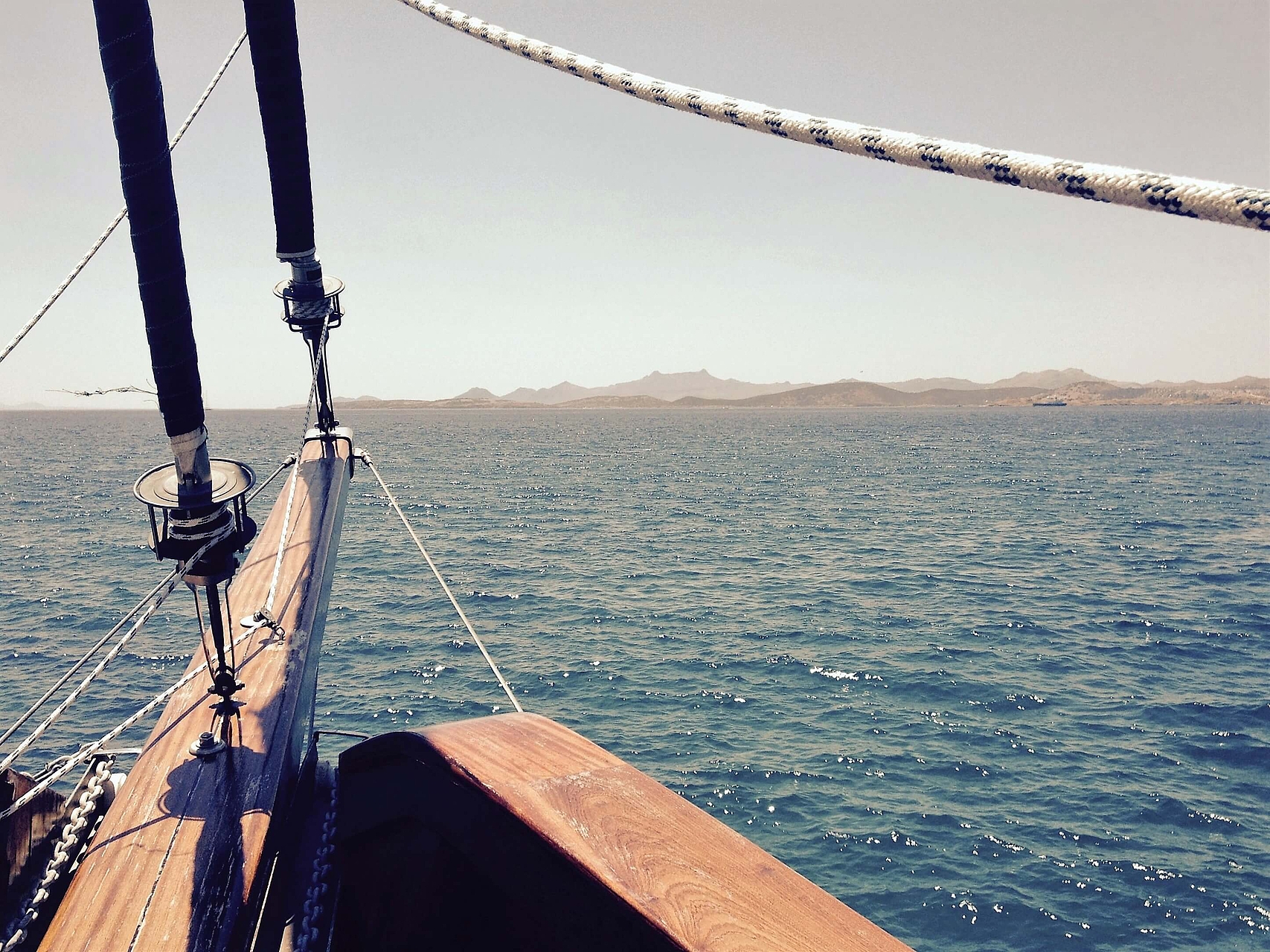
Seafreight Under Full Sails

Huge ocean vessels carry all kinds of cargo across the world, moving enormous volumes at astonishingly low costs. This benefits consumers and their wallets – yet many remain unaware of the environmental impact of this form of transport. Few people realize that modern cargo ships are the primary reason consumer products in Europe and the USA are so affordable- The sheer size of these ships, combined with the use of uniform, easy-to-process containers, reduces transport costs to a minimum. But what about more environmentally friendly alternatives? We can’t just use sailing ships. Or can we?
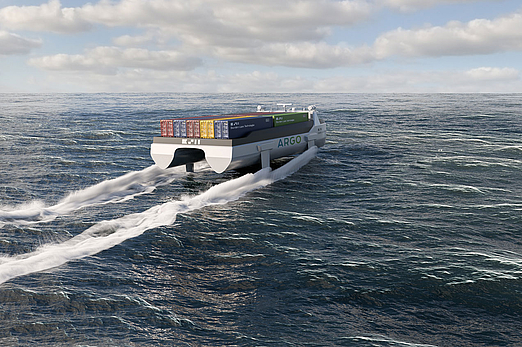
Today’s largest ships – essentially floating cities that can carry more than 20,000 containers, stacked like skyscrapers – still run on cheap, highly polluting fuel. Fortunately, the International Maritime Organization set strict targets in 2018, aimed at reducing CO₂ emissions by 30% by 2025. Back then, the world’s fifteen largest ships emitted as many pollutants as 750 million cars.

Wind power as an alternative to combustion engines

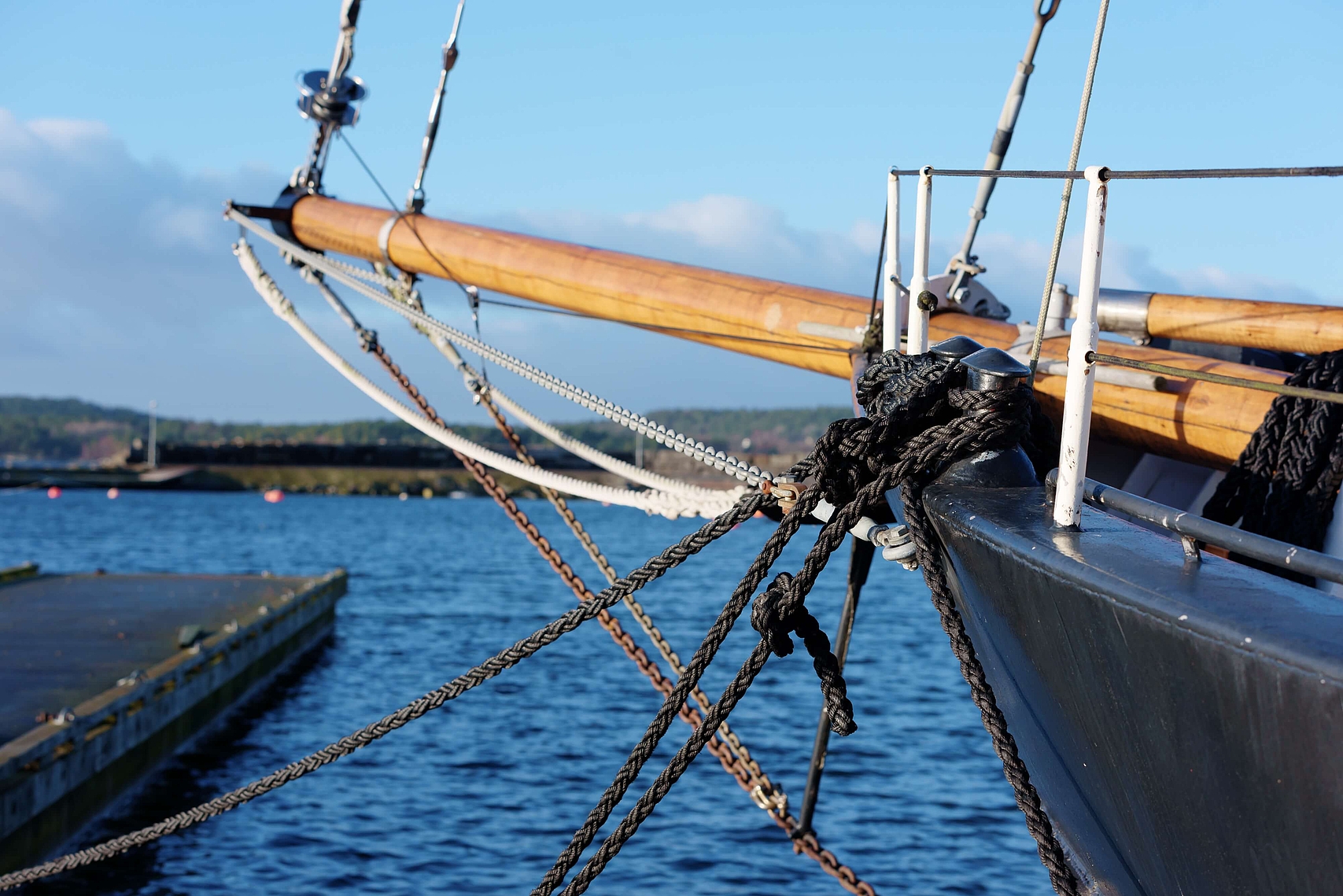
Up until the construction of the first functional steamboat in 1783 and even for some time afterwards, sailboats were considered the intrepid rulers of the seas and, with the exception of rowboats, wind power was the only force that could maneuver ships through the tides and currents of the seven seas. With the increasing technological advances in the field, the new steam-powered ships began to replace the large sailboats. The latter came to be known as leisure vehicles, a pastime for the better off, or used as training ships in the nautical training of sea cadets. In the past years, however, the increasing focus on sustainability has led to a change in perception. Of course, cargo sailboats will never replace conventionally powered ships or reach their cargo volumes, but their special status on the oceans is fascinating in itself.

Time is money – or is it?

You think working on a sailboat or unloading the cargo is romantic? It might be, depending on how you look at it, but the work itself is quite demanding. There’s sweating and heavy lifting, since the cargo in the ship hold is not consolidated in containers. Bags, pallets and boxes are hauled from the ship by hand and lifted up along the quay wall with a cable winch. This is incredibly demanding, not to mention the preceding month-long passage on the oceans. Without a lot of voluntary work and a healthy portion of idealism, this would be hard to achieve. Projects like this also pose a financial challenge – it’s hardly possible to make a profit transporting goods in this way. At least not in the usual sense: Compared to the ocean giants mentioned earlier, the transport costs on sailing vessels are by no means competitive. In this case, however, that’s not the main objective, since the goods shipped in this way are usually marketed towards a specific clientele, and the transport method represents an intentional choice.

A special niche for special products

Germany’s only cargo sailing vessel, the previously Dutch “Avontuur”, moves fair-trade and organically produced goods in a climate-friendly way – a conscious decision. On its travels it is loaded, for instance, with “fair” coffee beans for an exclusive, sustainable roast house in Northern Germany or spices and raw ingredients for an environmentally conscious manufacturer of organic teas. On other occasions the sailing ship also took fair-trade organic cocoa from Nicaragua across the Atlantic for a renowned chocolate producers in Central Europe. Aside from their small ecological footprint, these products have another thing in common: They are upscale goods whose transport is generally not urgent, and there is a growing number of companies who are glad to pay to have their environment-friendly goods shipped in an equally environment-friendly way.

Sustainable Shipping as a Concept

The concept of emission-free transport isn’t entirely new. The Austrian company Fairtransport sent the “Tres Hombres” on its maiden voyage across the Atlantic as early as 2009. Since then, the 32-meter-long ship has been following the winds and currents on traditional trade routes and former pirate trails across the Atlantic. With a speed of up to 12 nautical knots (approx. 22 km/h), it usually sails from Europe via the Canary Islands to the Caribbean before returning via the Azores.

The ship must have reached full capacity rather quickly, because once the pioneering project became profitable, Fairtransport set its sights on launching another cargo sailing vessel: the “Nordlys”. This 25-meter-long sailing ship was set to commute between Norway’s Lofoten Islands and the Mediterranean, bringing new life to some of Europe’s older ports.

However, tragedy struck on the ship’s maiden voyage when it was damaged in a collision in a French port. After the Nordlys was sold to the United Kingdom in 2025, Fairtransport began working on two new vessels, both of which are still awaiting refitting.

Wind power for ocean giants?

As we have seen, the concept of wind-powered, environment-friendly seafreight can work under certain conditions. On an industrial level, it won’t be implemented for “conventional seafreight” in the foreseeable future, although some ocean carriers already have large, specially developed sails as a support for their regular turbine-powered engines. But that’s another story for another article...